neurocycle
Project Overview
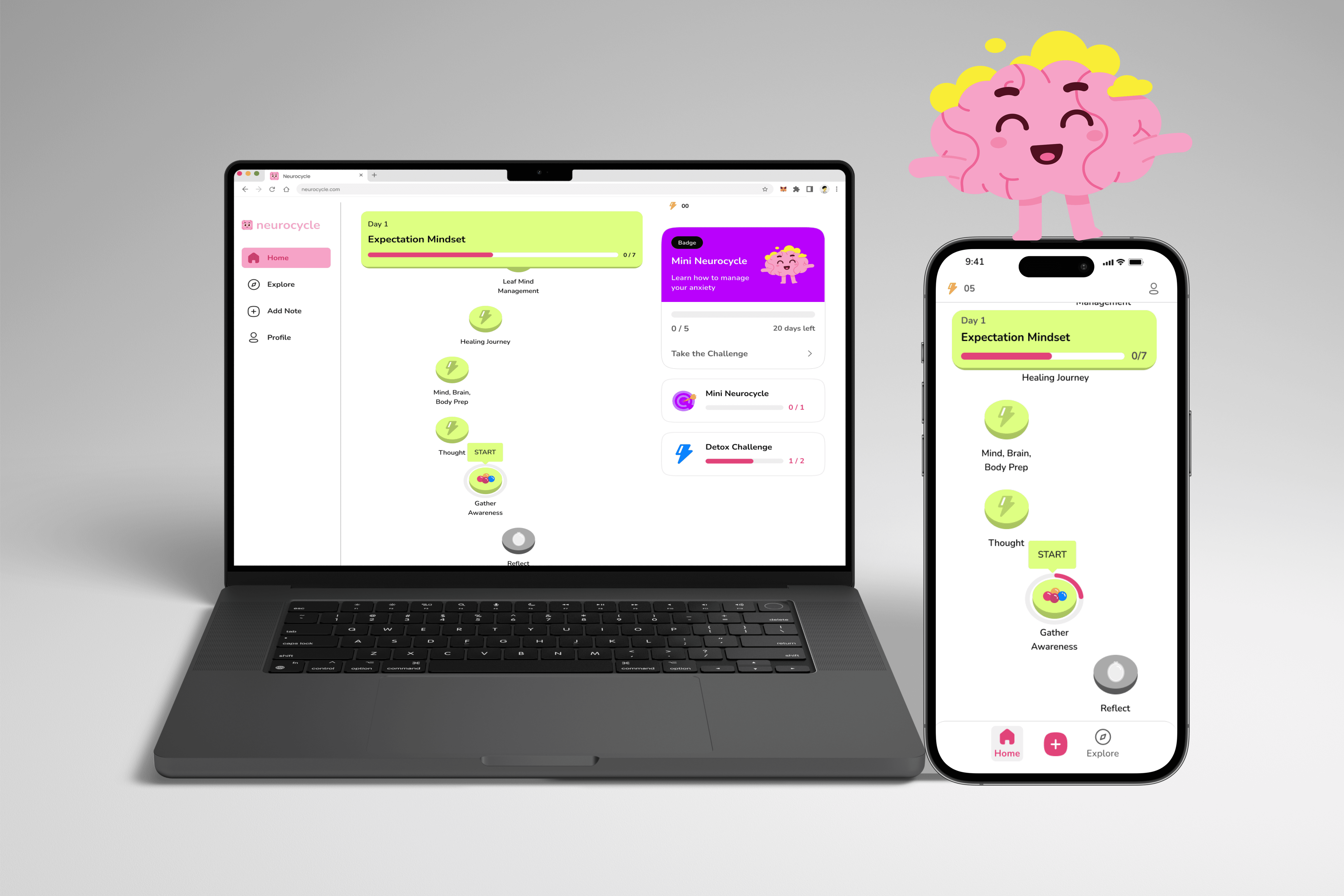
Led the end-to-end redesign of Dr. Leaf’s 5-step program into a structured, gamified experience designed to support lasting behavior change and reinforce positive daily habits.
Led the end-to-end redesign of Dr. Leaf’s 5-step program into a structured, gamified experience designed to support lasting behavior change and reinforce positive daily habits.
Project Type
b2b, b2c
My Role
head of product design
Year
2024
Problem
Lack of transparency during onboarding created early user abandonment
Lack of transparency during onboarding created early user abandonment
Lack of transparency during onboarding created early user abandonment
User research surverying 1000+ users revealed that many users felt uncertain about subscription expectations and onboarding requirements before experiencing the product's value. Confusing free trial language, lengthy account creation, and a 20+ minute introductory video created friction that contributed to early abandonment.
User research surverying 1000+ users revealed that many users felt uncertain about subscription expectations and onboarding requirements before experiencing the product's value. Confusing free trial language, lengthy account creation, and a 20+ minute introductory video created friction that contributed to early abandonment.
High-Level Solution
Redesigned the onboarding experience to reduce friction, increase trust, and improve early user engagement.
Redesigned the onboarding experience to reduce friction, increase trust, and improve early user engagement.
Redesigned the onboarding experience to reduce friction, increase trust, and improve early user engagement.

1. Optimized account creation to increase onboarding conversion
1. Optimized account creation to increase onboarding conversion
1. Optimized account creation to increase onboarding conversion
Implemented quick sign-up options that allowed users to bypass repetitive email and password entry.
Expected to increase onboarding completion and account creation rates by reducing unnecessary friction.
Implemented quick sign-up options that allowed users to bypass repetitive email and password entry.
Expected to increase onboarding completion and account creation rates by reducing unnecessary friction.
2. Improved free trial transparency to build user trust
2. Improved free trial transparency to build user trust
2. Improved free trial transparency to build user trust
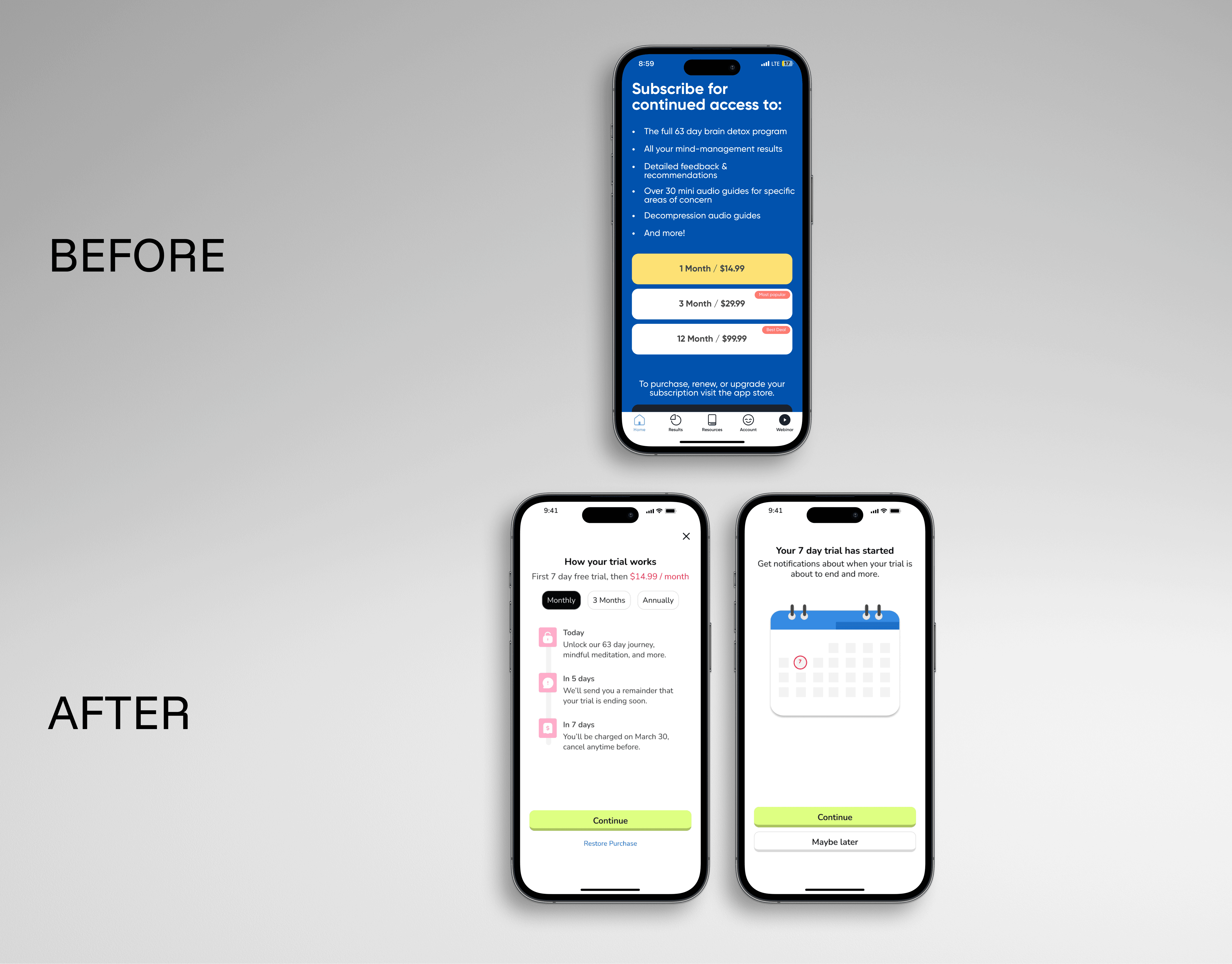
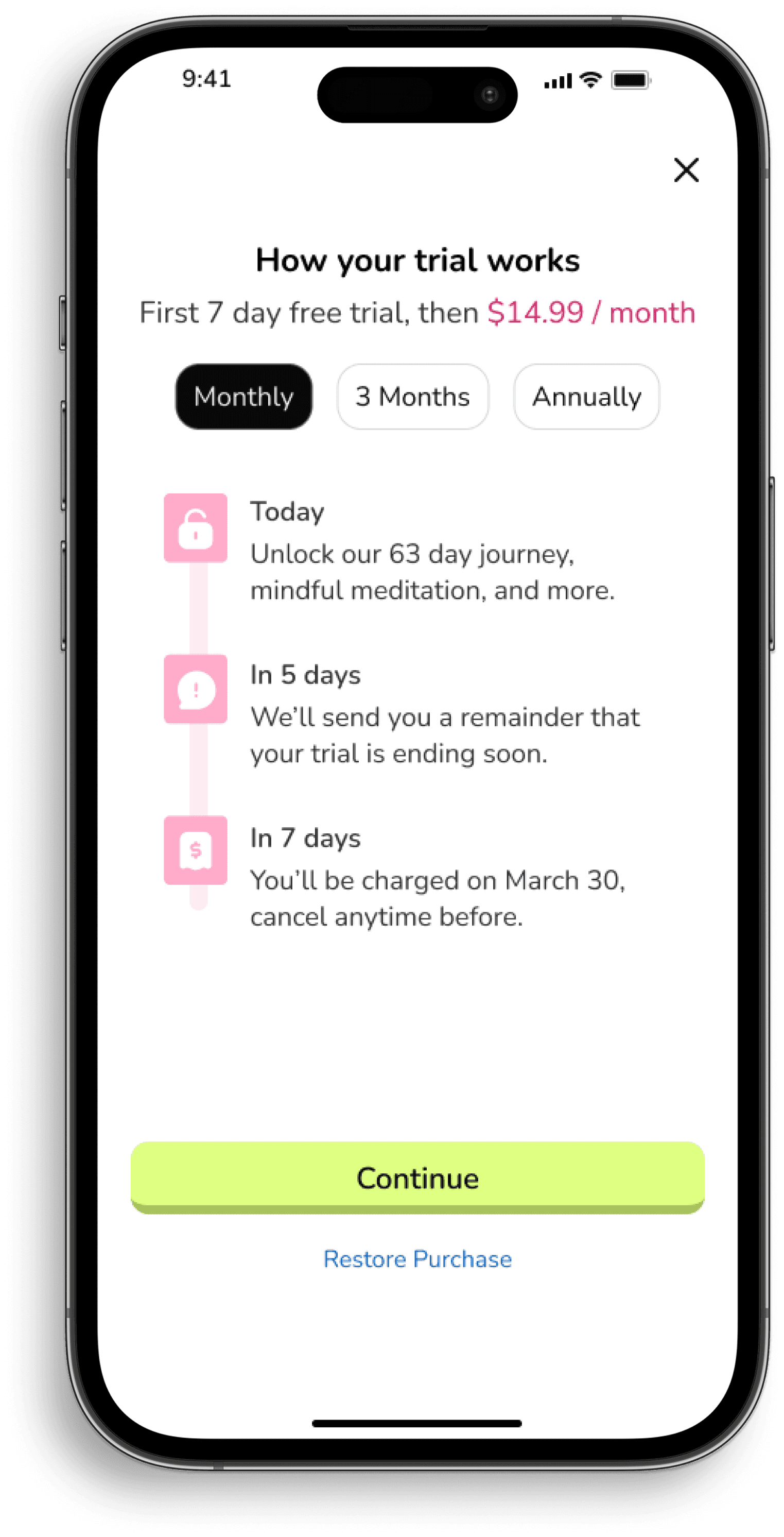
Redesigned the free trial experience with clearer UX copy, transparent expectations, and more intuitive guidance.
Added a reminder option to give users greater control and confidence before committing.
Expected to reduce onboarding drop-off, increase trial sign-ups, and address confusion identified in user survey responses.
Redesigned the free trial experience with clearer UX copy, transparent expectations, and more intuitive guidance.
Added a reminder option to give users greater control and confidence before committing.
Expected to reduce onboarding drop-off, increase trial sign-ups, and address confusion identified in user survey responses.

3. Replaced lengthy introductions with an optional engaging exercise
3. Replaced lengthy introductions with an optional engaging exercise
3. Replaced lengthy introductions with an optional engaging exercise
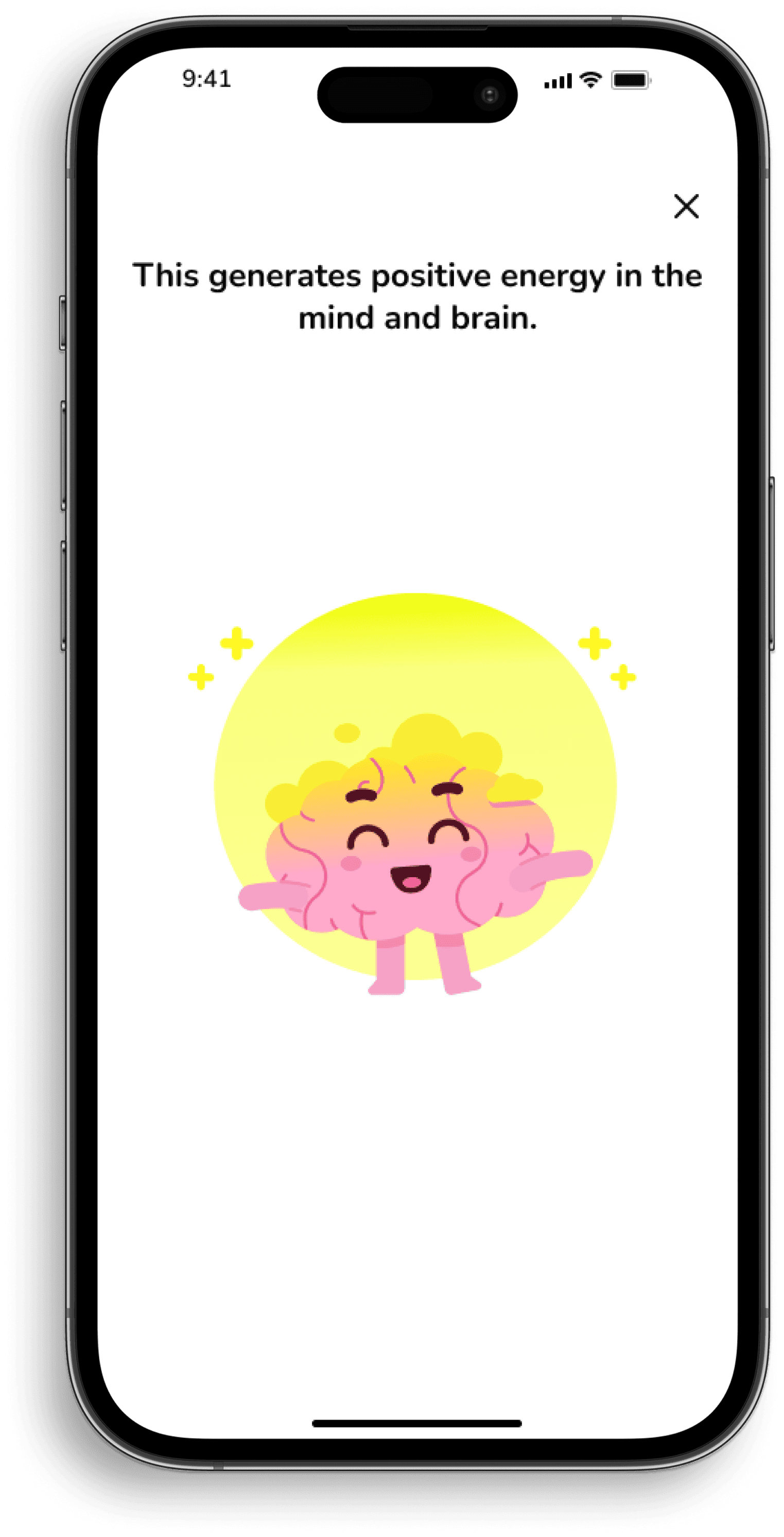
Reimagined the legacy 20+ minute introduction video as a guided Brain Prep exercise based on Dr. Leaf's methodology.
Allowed users to actively engage with the product from the start rather than passively consuming content.
Expected to improve onboarding completion, increase early engagement, and help users better understand the program's value.
Reimagined the legacy 20+ minute introduction video as a guided Brain Prep exercise based on Dr. Leaf's methodology.
Allowed users to actively engage with the product from the start rather than passively consuming content.
Expected to improve onboarding completion, increase early engagement, and help users better understand the program's value.
User Research
User research: Overview
User research: Overview
User research: Overview
To better understand friction points in the legacy experience, the team analyzed 1,000+ user survey responses, usability findings, and behavioral patterns across the 63-day program. survey data was first organized and categorized in Excel, then further analyzed in R Studio.
Key demographic findings included:
To better understand friction points in the legacy experience, the team analyzed 1,000+ user survey responses, usability findings, and behavioral patterns across the 63-day program. survey data was first organized and categorized in Excel, then further analyzed in R Studio.
Key demographic findings included:
86%
86%
female
female
female
12%
12%
male
male
male
2%
2%
nonbinary
nonbinary
nonbinary
User Survey Key Finding
Onboarding confusion and unclear expectation
Onboarding confusion and unclear expectation
Onboarding confusion and unclear expectation
Approximately 58% of users reported confusion around onboarding expectations, free trial messaging, and overall program structure.
Approximately 58% of users reported confusion around onboarding expectations, free trial messaging, and overall program structure.
Competitive Analysis
Bandaid solution
Bandaid solution
Bandaid solution
Although Dr. Leaf’s research-based methodology is differentiated from other mental wellness products, platforms like Headspace established a strong benchmark for emotionally supportive design, simplicity, and user retention—while primarily focusing on short-term symptom relief rather than long-term behavioral transformation.
Although Dr. Leaf’s research-based methodology is differentiated from other mental wellness products, platforms like Headspace established a strong benchmark for emotionally supportive design, simplicity, and user retention—while primarily focusing on short-term symptom relief rather than long-term behavioral transformation.

Branding
Character Modernization
Character Modernization
Character Modernization
Dr. Leaf previously introduced a character named Brain-Ee in her children’s book, Coloring with Brain-Ee and Friends. As part of the app redesign, I identified an opportunity to modernize the character to better align with the updated product experience, visual direction, and emotional tone of the new app.
Dr. Leaf previously introduced a character named Brain-Ee in her children’s book, Coloring with Brain-Ee and Friends. As part of the app redesign, I identified an opportunity to modernize the character to better align with the updated product experience, visual direction, and emotional tone of the new app.

The redesign reinforced the connection between mind field (represented by the circle), thoughts (the clouds), and the body (the brain with a body), visually communicating how each element works together.
The redesign reinforced the connection between mind field (represented by the circle), thoughts (the clouds), and the body (the brain with a body), visually communicating how each element works together.
Color
Primary Colors
Primary Colors
Primary Colors

The primary colors were taken using the characters colors as well as the stakeholders request of lime green aligning with her existing brands.
The primary colors were taken using the characters colors as well as the stakeholders request of lime green aligning with her existing brands.
Final Design
Final Design
Final Design






other projects
splyt
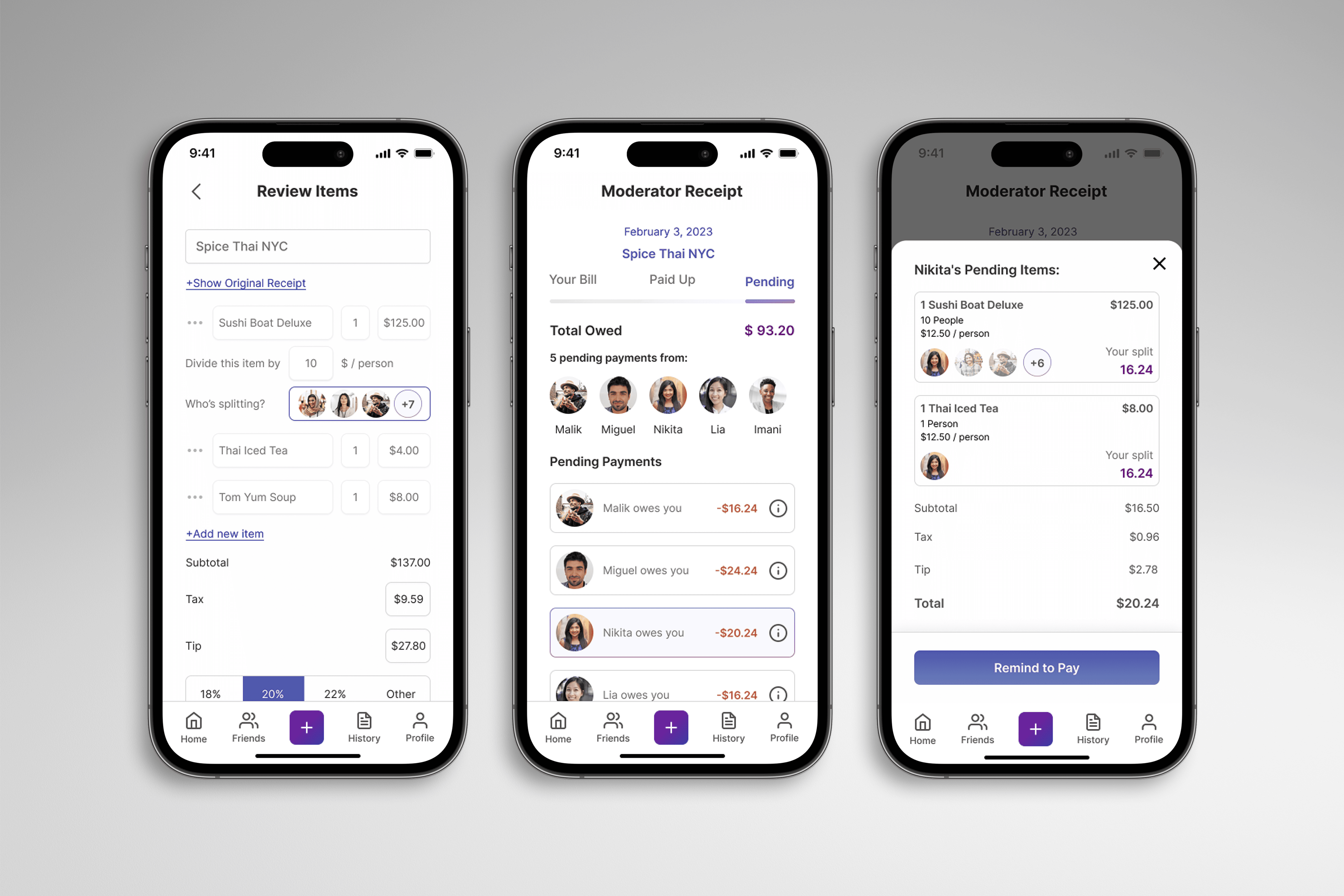
splyt
(B2C, P2P) Co-led the redesign and simplification of the payment-splitting experience, resulting in a 30% decrease in user support requests.
(B2C, P2P) Co-led the redesign and simplification of the payment-splitting experience, resulting in a 30% decrease in user support requests.
despark
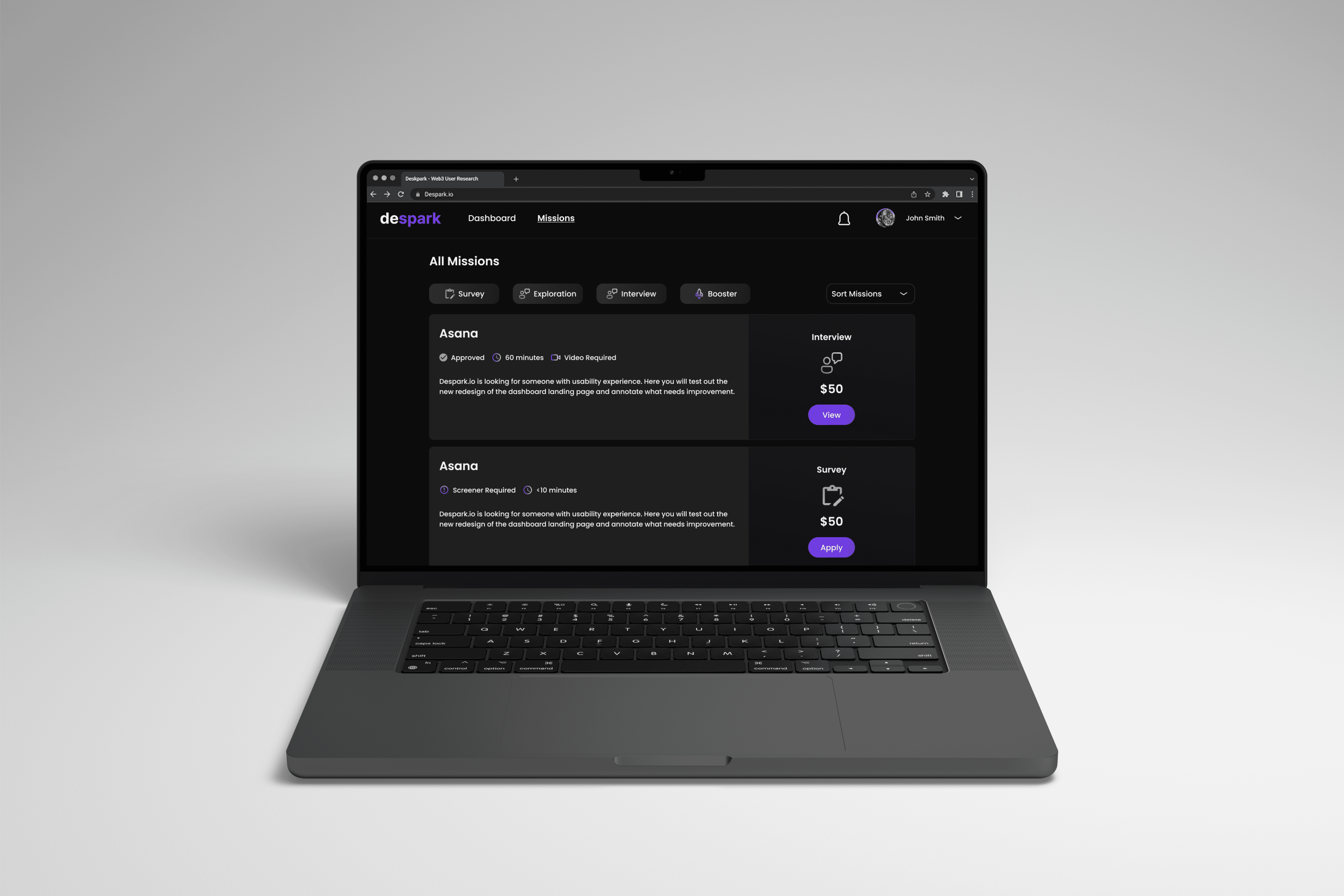
despark
(B2B/B2C/SaaS ) Streamlined a custom mission-joining user flow on a user research platform connecting companies with target users, improving the overall user experience by 20%.
(B2B/B2C/SaaS ) Streamlined a custom mission-joining user flow on a user research platform connecting companies with target users, improving the overall user experience by 20%.